
Ever heard of Semaglutide for weight loss in non-diabetics? It’s this cool new way to shed some pounds, especially if you’re struggling with body weight and not dealing with diabetes.
This FDA-approved drug started out for diabetes but turned out to be awesome for weight loss as well. Imagine taking just one dose a week and watching those numbers drop on the scale. The medicine works by making you feel full faster and longer, so you end up eating less.
For anyone with a high body mass index, this can be a game-changer. Let’s explore how it works and why it might just be what you need for better weight management.
What Is Semaglutide?
So, what’s the deal with Semaglutide? It’s a medication originally used for treating diabetes, but it’s now also a hit for weight loss. Imagine a little dose that helps you lose weight.
Semaglutide has proven itself in clinical trials, showing significant weight loss for folks struggling with their body weight. This medication has become a solid choice for chronic weight management.
Now, let’s get into the nitty-gritty of how it works. The medication mimics a hormone called GLP-1. Moreover, this hormone messes with your appetite and makes you feel fuller for longer periods.
Basically, it tricks your brain into thinking you’re not hungry. Plus, it slows down how fast your stomach empties, so you don’t feel hungry soon after eating. This means you eat less and burn more calories even when you’re just chilling on your couch.
With a once-weekly Semaglutide dose, people see body weight changes over time, especially when paired with a healthy lifestyle. Whether you’re dealing with severe obesity or just looking for a weight management boost, Semaglutide might be the key.
However, always check with your doctor, especially with serious adverse events and other drug treatments in the picture.
Dosage Recommendations for Non-Diabetics
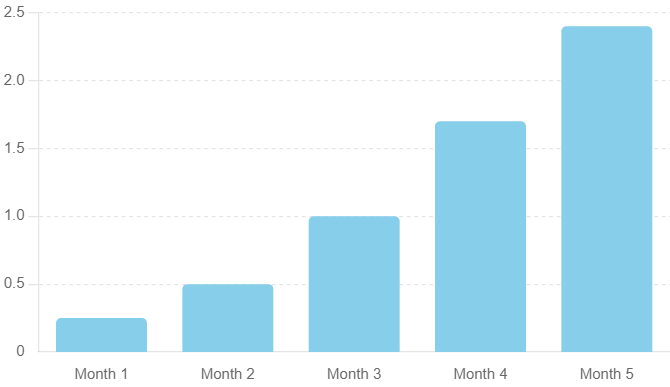
Semaglutide for Weight Loss in Non-Diabetics – Dosage Chart
When it comes to Semaglutide treatment for weight loss, the right dosage is key. Starting slow and increasing gradually helps your body adjust and reduces the chances of any side effects. Let’s break it down step-by-step.
Initial Dosage
You’ll start things off with a low dose, just 0.25 mg once a week. This small start helps your body get used to the drug. Over the first few weeks, your doctor will check in on how you’re doing. If everything’s okay, they’ll slowly bump up the dose.
Incremental Dosage Increase
Every month, your dose will go up a bit. After the initial 0.25 mg, you’ll move to 0.5 mg. Then, it’s up to 1 mg, 1.7 mg, and finally, 2.4 mg. These increases help keep your body weight change steady and promote weight loss without shocking your system.
Doctors decide on these increases based on how well you’re tolerating the medication and if you’re seeing the weight loss results you want. They’ll keep an eye on any adverse events to make sure everything’s going smoothly.
Administering the Dosage
So, how do you take Semaglutide? The good news is that you can do it yourself at home. After some simple training, you’ll be good to go.
To start, pick a spot with some fatty tissue, such as your belly, thigh, or the back of your upper arm. These areas are the easiest for self-injection. However, make sure to rotate the injection sites to avoid any irritation.
Using Semaglutide for weight management can be a game-changer, especially when combined with lifestyle changes such as a healthy diet and exercise.
Just remember, consistency is key for long-term weight management and avoiding weight gain. Keep up with your regular check-ins with your doctor to stay on track and adjust as needed.
Whether you’re aiming to lose a little or a lot, Semaglutide can help you reach those goals, especially with a plan in place.
Clinical Evidence and Effectiveness

Semaglutide treatment has some solid backing from clinical trials. Let’s see what the research says.
Researchers have run key studies to test Semaglutide’s effectiveness in promoting weight loss. One standout trial showed non-diabetic patients losing an impressive amount of weight.
They compared folks taking Semaglutide to those in the placebo group, and guess what? The Semaglutide group lost way more weight. Conversly, the placebo group didn’t see much change, which highlights how effective this medication can be.
In terms of numbers, people taking Semaglutide 2.4 mg saw significant weight loss. On average, participants lost about 10-15% of their baseline body weight.
With this medication, you can start noticing changes in just a few weeks. Most folks see visible results around the three-month mark. That’s pretty quick for chronic weight management.
Impact on Body Mass Index (BMI)
Not only does Semaglutide help with weight loss, but it also impacts your BMI. Over the treatment period, many people see their BMI drop from the obese range to a healthier range. For example, in one study, BMI reductions were substantial, helping participants move towards a healthier weight bracket.
With fewer pounds and a lower BMI, there’s also a bonus reduction in risks for things such as cardiovascular disease. This makes Semaglutide a promising option for long-term obesity treatment and weight loss maintenance.
Plus, when paired with lifestyle changes such as diet and exercise, the results can be even better. So, if you’re struggling with body weight, Semaglutide might just be your new best friend.
Factors Influencing Effectiveness
How well Semaglutide works can depend on a bunch of things. Let’s break it down.
Individual Variations
Everyone’s different, right? Your age, metabolism, and starting weight play a big role in weight loss. If you have more to lose, you might see bigger changes. Also, younger folks tend to drop pounds faster.
Lifestyle Changes
Diet and exercise are key. So, eating healthy and staying active can boost the effects of Semaglutide 2.4 mg. Adding in intensive behavioral therapy helps a lot as well. It keeps you motivated and on track, making those lifestyle changes stick.
Medical Conditions
Your health history is also important. Some underlying conditions can affect how well Semaglutide works. For example, if you have certain heart issues or are a diabetic patient, it might change things.
That’s why doctors check inclusion and exclusion criteria before starting any drug treatment. Moreover, they want to avoid serious adverse events and make sure you get the best results.
Overall, combining Semaglutide with good habits and keeping an eye on health conditions gives you the best shot at weight loss. So, always talk to your doctor about what’s right for you. They’ll help you deal with any bumps in the road and adjust your plan as needed.
Side Effects and Safety

Using Semaglutide for weight loss is generally safe, but there are a few things to watch out for. Let’s talk about what you might experience and how to handle it.
Common Side Effects
Most people taking Semaglutide 2.4 mg might feel a bit of nausea, vomiting, or diarrhea. It’s pretty normal, especially when you’re just starting. These side effects usually ease up as your body gets used to the drug. Drinking lots of water and eating smaller meals can help manage these symptoms.
Serious Adverse Events
While serious issues are rare, they can happen. Some folks might face more significant risks, such as pancreatitis or gallbladder problems. That’s why having a doctor keep an eye on you is super important. With regular check-ups, you can make sure that any serious adverse events are caught early.
Contraindications
If you have a history of thyroid cancer or if you’re pregnant, this drug might not be for you. A thorough medical evaluation is crucial to avoid complications. Your doctor will check if you have any conditions that could make using Semaglutide risky.
Diet and Lifestyle Recommendations
To make the most of Semaglutide for weight loss, it’s super important to pair it with the right diet and exercise. So, here are some tips that can help.
Recommended Diet
First off, focus on whole foods. Think fruits, veggies, and lean proteins such as chicken or fish. These foods are packed with nutrients and help keep you full.
Avoid processed stuff and sugary snacks. They might taste good, but they’re not great for your weight loss goals. Cutting back on these can make a big difference.
Physical Activity
Next, let’s talk about moving your body. Regular exercise is key. Aim for a mix of cardio, such as walking or biking, and strength training.
These activities not only help you lose weight but also boost your mood and energy. Plus, they’re great for weight loss maintenance. Being active helps you keep those pounds off long-term.
Long-term Weight Management
Finally, think about how to keep the weight off for good. It’s not just about losing weight, but maintaining it. Create strategies that work for you, such as meal planning or regular workouts.
Ongoing support is crucial as well. Whether it’s a friend, a group, or a healthcare provider, having someone to cheer you on and keep you accountable makes a big difference.
Remember, weight loss is a journey. For non-diabetic patients, using Semaglutide and combining the medication with a smart lifestyle intervention is the best way to see lasting results. Stay consistent and motivated, and don’t hesitate to seek support when you need it.
Patient Eligibility and Evaluation
Before using Semaglutide for weight loss, you need to check if you qualify. Let’s break down the basics.
First, let’s talk about who can use it. Your BMI needs to be 27 kg/m² or higher, which means you’re overweight or obese. Other factors also play a role.
You shouldn’t be pregnant or have certain health conditions, and because of that, your doctor will run some medical assessments to make sure it’s safe for you. They’ll check your health history and current conditions to see if you’re a good fit.
Once you’re on Semaglutide, regular check-ups are a must. These visits help track your progress and see how well the treatment is working. Your doctor will monitor things such as weight loss and any side effects.
If something’s off, they can adjust your treatment plan. Maybe they’ll tweak your dosage or suggest different lifestyle interventions to boost your results. These check-ins are also a good time to get support and stay motivated on your weight loss journey.
For non-diabetic patients, sticking to these guidelines ensures that you’re using Semaglutide safely and effectively. Regular medical evaluations keep everything on track, helping you achieve your weight loss goals while keeping your health in check.
Stay in touch with your healthcare provider and keep those appointments. It’s all about staying safe and seeing the best results.
The Bottom Line
So, there you have it. Semaglutide is a great option for non-diabetic patients looking to lose weight. It helps control appetite and promote weight loss effectively.
But remember, it’s super important to have medical supervision and make those lifestyle changes. Always chat with your healthcare provider to get advice tailored just for you.
They’ll guide you through the process and help you stay on track. With the right support and plan, you can reach your weight loss goals and maintain a healthier you. Keep at it, and good luck on your journey!